

Volume Analysis: What the Numbers Tell You
Volume shows you whether traders actually believe in a price move. Discover how to read it like professionals do.

Why Volume Matters More Than You Think
Here's the thing about volume — it's the proof that traders actually care about a price move. You can see a stock price jump 5% in one day, but if volume's low, it's basically noise. Real moves? They come with volume backing them up.
Volume tells you the story behind the price. It's what separates genuine shifts from false signals. When you're learning to trade, ignoring volume is like trying to understand a conversation while wearing headphones on mute.

What Volume Actually Measures
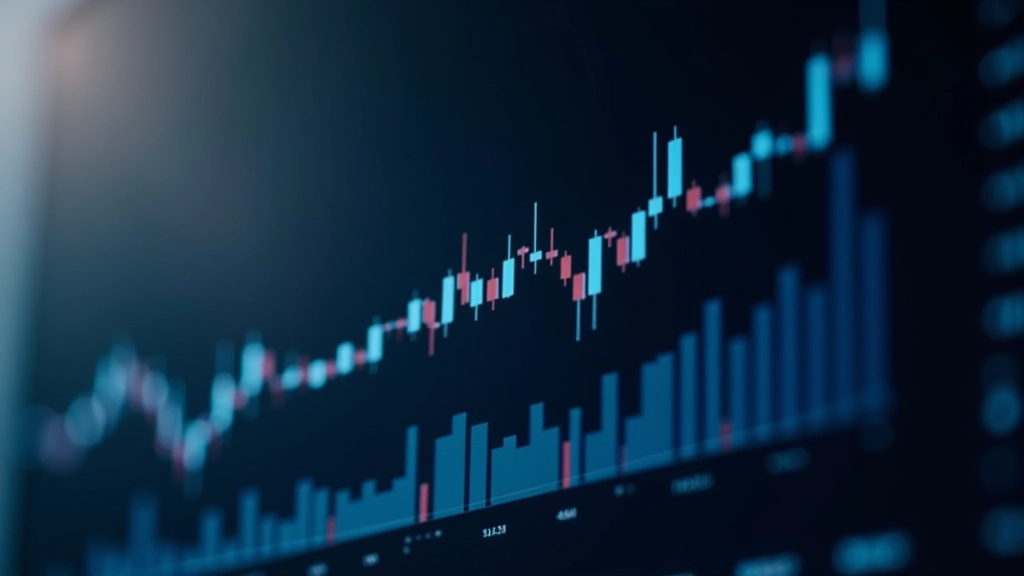
Volume is simply the number of shares or contracts traded during a specific time period. On most charts, you'll see it as bars at the bottom — taller bars mean more trading activity, shorter bars mean less.
But here's where it gets interesting. Volume isn't neutral. It comes in two flavors: buying pressure and selling pressure. When a price goes up on high volume, that's buyers pushing hard. When a price falls on high volume, that's sellers taking control. This distinction changes everything about how you interpret what's happening.
Think of volume like a crowd at a concert. A few people clapping isn't the same as thousands cheering. In markets, it's the difference between a casual price move and a serious directional shift that actually means something.

How to Read Volume Like a Professional
Rule 1: High Volume on Breakouts — When a price breaks through a major resistance level on high volume, that's serious. It means buyers genuinely believe the move is real. Low volume breakouts? They often reverse quickly.
You'll notice on any chart that volume tends to spike at specific moments. Support and resistance levels matter here — when price approaches these zones, volume often increases as traders make decisions. Are they holding or exiting? The volume tells you.
Rule 2: Declining Volume Signals Weakness — If a price keeps rising but volume's dropping, that's a warning sign. It means fewer people are buying, and the move could be running out of steam.
Professional traders use volume to confirm trends. They're not just looking at whether price went up or down — they're asking "did volume confirm this move?" That confirmation is what separates sustainable moves from temporary fluctuations.
Volume Patterns to Watch
Volume Surge
Sudden spike in volume often marks a decision point. Traders are making big moves. This usually precedes significant price changes in one direction or the other.
Volume Drought
When volume dries up, price action becomes unreliable. These periods often happen during consolidation phases, before the next big move gets established.
Volume Divergence
Price moves up but volume decreases — that's a divergence. It signals the move might be weakening. This often precedes reversals or consolidation periods.
Climactic Volume
Extremely high volume at the end of a move often signals exhaustion. When everyone's finally trading, that's usually when the big move ends and consolidation begins.
Putting Volume Into Practice
Let's be practical about this. When you're looking at a chart, here's what you actually do:
- 1 Identify the trend. Is the market going up, down, or sideways? This is your starting point.
- 2 Check volume at key levels. When price approaches support or resistance, is volume increasing or decreasing?
- 3 Look for confirmation. Does volume support the price movement? Rising prices should come with rising volume.
- 4 Watch for divergences. When price and volume don't agree, that's a warning. Something's about to change.
The key insight? Volume doesn't replace other analysis — it confirms it. You're looking for agreement between price action and volume. When they align, your conviction should increase. When they diverge, that's when you stay cautious.

The Volume Takeaway
Volume is your confirmation tool. It answers the question: "Do other traders actually believe in this move?" When price moves on high volume, you've got conviction behind it. When price moves on low volume, you're looking at noise.
Start using volume in your analysis right now. Look at the charts you're already studying and add volume to your interpretation. Ask yourself: does the volume confirm what I'm seeing in price? That single question will sharpen your trading decisions immediately.
Remember, volume isn't complicated. It's just counting how many people are trading at each price level. The higher the count, the more serious the move. Master this concept, and you'll understand market behavior on a deeper level than most traders ever reach.
Continue Your Learning


Educational Disclaimer
This article is for educational purposes only. It's designed to help you understand volume analysis concepts and how professional traders think about market data. This is not financial advice, and it doesn't constitute a recommendation to buy, sell, or trade any financial instrument.
Trading involves real risk of loss. Past performance doesn't guarantee future results. Volume analysis is just one tool among many, and different markets behave differently. Before you make any trading decisions, you should develop a complete trading plan, understand your risk tolerance, and ideally consult with a qualified financial advisor.
PureTrade provides free educational content to help traders in Ireland and beyond develop their knowledge. We're not licensed financial advisors, and nothing here should replace professional financial guidance tailored to your specific situation.