

Building Your Personal Trading Knowledge Roadmap
Create a step-by-step learning plan that works with your schedule. Know exactly what to study and when.

Why a Roadmap Changes Everything
Most people jump into trading without a plan. They bounce between YouTube videos, try random strategies, and wonder why nothing sticks. That's backwards. You need a roadmap — a clear path that shows you what to learn first, what builds on that knowledge, and when you're actually ready to move forward.
We've seen traders spend months on advanced concepts when they haven't mastered the fundamentals. We've watched others skip volume analysis and miss the biggest trading clues right in front of them. A structured roadmap prevents all of that. It saves you time, keeps you focused, and makes sure you're building real knowledge — not just collecting information.
This guide shows you how to build your own roadmap. You'll understand what foundation skills matter most, how to sequence your learning so concepts build on each other, and how to track your progress without getting overwhelmed.

Foundation Layer
Start Here: The Non-Negotiable Basics
Every good trader has these fundamentals locked in. They're not glamorous, but they're what separates people who understand markets from people who just guess.
01
Market Structure Basics
How markets actually work. What's a bid-ask spread? Why does volume matter? What moves price? Spend 1-2 weeks here understanding the mechanics before you move anywhere else.
02
Reading Charts
Candlesticks, timeframes, trend lines. You need to be able to look at a chart and understand what happened. This takes about 2-3 weeks of consistent practice, not just reading.
03
Risk Management Rules
How much you should risk per trade. How to set stops and take profits. Position sizing. This isn't optional. This is how you stay in the game long enough to get good.
04
Your Trading Journal
How you'll track everything. Every trade, every decision, every lesson. A proper journal isn't optional — it's how you actually improve. Set this up first before you trade anything real.

Psychology: The Skill Nobody Teaches
Here's what separates good traders from great ones: understanding why you make the decisions you make. Market psychology isn't about predicting what everyone else will do. It's about recognizing your own patterns. When do you panic sell? When do you hold too long? When does fear make you skip good setups?
Spend 3-4 weeks studying behavioral finance. Learn about anchoring bias, loss aversion, confirmation bias. Then — and this is crucial — start watching yourself. Keep notes about your emotional reactions in your trading journal. You'll start seeing patterns. Maybe you always get too aggressive after a win. Maybe you freeze after a loss. That's the stuff that matters.
Real example: Most traders can identify support and resistance. But when price bounces off support, many freeze because they're afraid it'll break. That fear? That's the real thing holding you back, not your chart reading skills.
Technical Analysis: Build It Layer by Layer
Don't try to learn everything at once. Start with what matters most: support and resistance levels. These are zones where price consistently pauses or reverses. Spend 2-3 weeks identifying these on historical charts. Don't use indicators yet. Just look at the price action.
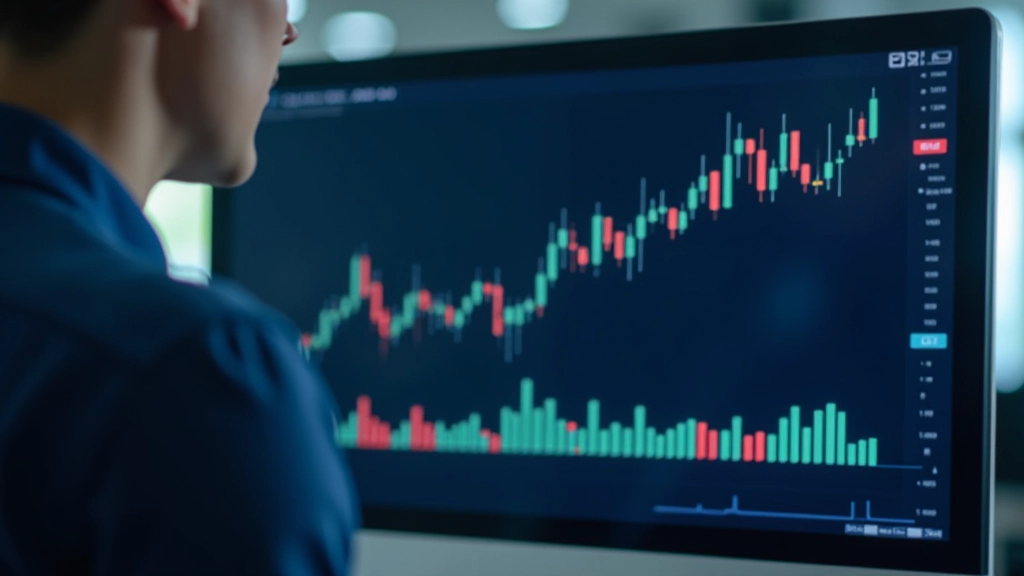
Once you're comfortable with support and resistance, add volume analysis. This is where you'll really understand what's actually happening. Volume shows conviction. Big volume on a move up means traders believe it. Low volume on a move up? That's suspicious. It's not real strength. You'll start seeing setups you missed before once you understand volume.
Only after you've mastered those two should you add indicators. And keep it simple — moving averages and RSI are plenty. The traders who add 15 indicators usually have worse results than traders with 2.
A Sample 12-Week Roadmap
This isn't the only way, but it's a proven sequence. Adjust it based on how much time you can commit each week.
Weeks 1-3: Foundations
Market mechanics, bid-ask spreads, how to read candlesticks. Set up your journal. Start paper trading to get comfortable with the platform. Time commitment: 1-2 hours daily.
Weeks 4-6: Psychology & Behavior
Deep dive into behavioral finance. Study real market crashes and how psychology triggered them. Review your paper trading journal for emotional patterns. Time commitment: 1.5-2 hours daily.
Weeks 7-9: Support & Resistance
Identify support and resistance on 50+ historical charts. Practice finding zones where price respects levels. Start seeing real patterns. Time commitment: 2 hours daily minimum.
Weeks 10-12: Volume Analysis
Learn to read volume bars. Understand what volume tells you about price moves. Combine volume with support/resistance. Begin live trading with small position sizes. Time commitment: 2-3 hours daily.

How to Actually Stick to Your Roadmap
Having a roadmap means nothing if you don't follow it. Most traders abandon their plan after 2-3 weeks. Here's how to stay committed:
- Track daily study time. Aim for consistent hours, not random marathons. One hour daily beats 7 hours once a week.
- Complete each phase before moving forward. Don't skip to advanced concepts. You're building on a foundation — shortcuts weaken it.
- Keep a separate "learning log" from your trading journal. Write what you learned each day, questions you have, concepts that confused you.
- Review weekly. Every Sunday, spend 30 minutes reviewing what you learned that week. Did it stick? Do you need to revisit anything?
- Paper trade during learning. Don't just watch charts passively. Make trades with fake money. This is how you actually test your understanding.
Key Milestones That Show You're Ready
After Foundations (Week 3)
You should understand bid-ask spreads, be comfortable reading a candlestick chart, and know what risk management means. You're not trading yet — you're observing.
After Psychology (Week 6)
You can identify your own emotional triggers. You've noticed patterns in your paper trading. You know when you're being irrational. That's progress.
After Support & Resistance (Week 9)
You can spot support and resistance zones without indicators. You understand why price bounces there. Your paper trading has improved — fewer losses, better setups.
After Volume (Week 12)
Volume makes sense to you. You can look at a chart and know if a move is real or weak. You're ready to trade real money — but start small.
Customize Your Roadmap to Your Life
The 12-week timeline isn't sacred. If you can only study 30 minutes daily, stretch it to 6 months. If you're full-time and focused, maybe you do it in 6 weeks. The sequence matters more than the speed.
Think about your constraints realistically. How many hours per week can you genuinely commit? Don't say "I'll do 4 hours daily" if you work full-time. Be honest. A sustainable 1 hour daily beats an unrealistic 4 hours that you quit after two weeks.
Three Real Scenarios:
Full-time job, limited time: 1-1.5 hours daily, 4-5 days per week. You'll take 16-20 weeks. That's fine.
Part-time or student: 2-3 hours daily. 12-week roadmap works perfectly.
Full-time trader or very committed: 4-6 hours daily of focused study. You could complete it in 5-6 weeks, but don't rush psychology and behavioral concepts.
Build It Right the First Time
The traders who succeed aren't the ones with the most indicators or the fanciest strategies. They're the ones with solid foundations and genuine understanding. A personal roadmap gets you there. It keeps you focused when everything online is screaming for your attention. It prevents you from learning advanced concepts before you're ready. It shows you progress — and progress is what keeps you motivated.
Start with market mechanics. Add psychology. Master support and resistance. Learn volume. That's your foundation. Everything else builds on it. You'll get to advanced strategies eventually, but they won't make sense until you've done the work first.
Don't skip steps. Don't rush phases. Don't abandon your journal. Stick to your roadmap, and you'll be in the top 10% of traders — not because you're a genius, but because you did the boring foundational work most people skip.
Ready to start your journey? Begin with the fundamentals this week. Set up your journal, understand how markets work, and commit to your schedule.
Explore More Trading GuidesEducational Disclaimer
This article is educational material designed to help you understand trading concepts and develop a structured learning approach. It is not investment advice, financial advice, or a recommendation to trade any specific market. Trading involves significant risk of loss. Past performance doesn't guarantee future results. Always conduct your own research, understand the risks involved, and consider consulting with a financial advisor before making any trading decisions. PureTrade provides educational resources only — we don't manage accounts or guarantee outcomes.
Continue Your Learning

Support and Resistance Levels Explained
Read Guide